The Legacy of Gabrielle “Coco” Chanel: Innovations That Shaped 20th-Century Fashion
Early Success and Style Revolution
Gabrielle “Coco” Chanel, born in 1883 in Saumur, France, rose from a challenging upbringing to become one of the most influential figures in fashion history. Her journey from an impoverished childhood to becoming a celebrated designer is nothing short of remarkable. Chanel’s early career began with a modest millinery shop in Paris in 1913, followed by another in the seaside resort town of Deauville. Her innovative use of jersey, a fabric previously confined to men’s underwear, marked a turning point in her career. The decision to use jersey was initially driven by its affordability, but Chanel quickly recognized its potential. The fabric’s natural drape and comfort aligned perfectly with her vision of practical yet stylish clothing. Her designs, often inspired by menswear and the utilitarian needs of wartime, embraced simplicity and functionality, a stark contrast to the elaborate and restrictive fashions of the time. Chanel’s early success was fueled by her ability to cater to the needs of women seeking liberation from corsets and frills, ushering in a new era of fashion characterized by ease and elegance.
The Iconic Chanel Aesthetic
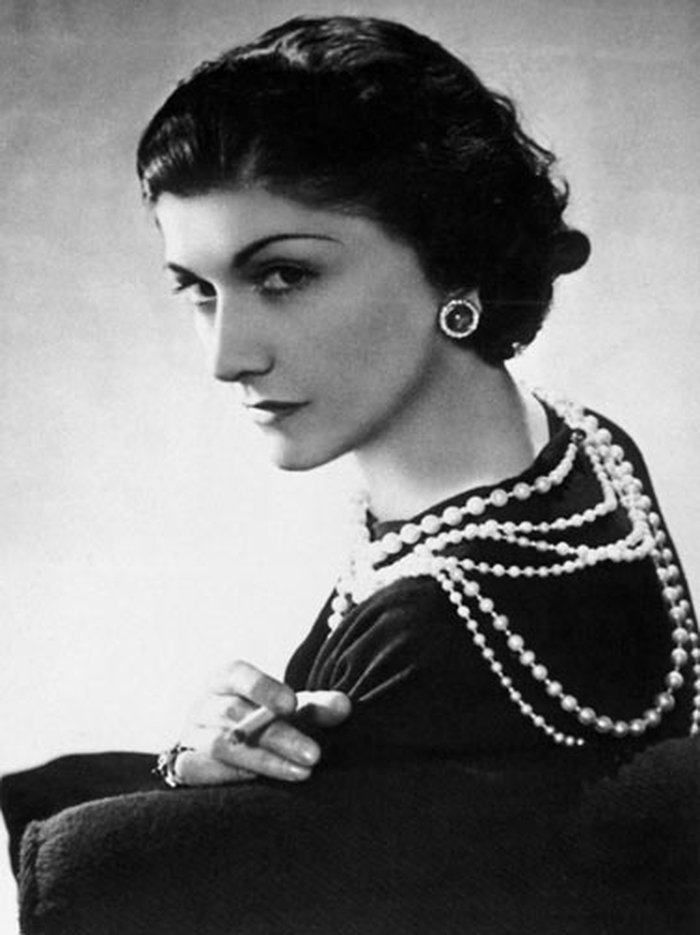
Chanel’s influence extended far beyond her clothing; her personal style and lifestyle were integral to her fashion philosophy. With her slender figure, cropped hair, and sun-kissed complexion, she epitomized a modern, liberated woman. Chanel's aesthetic was deeply personal, reflected in her preference for a monochromatic color palette of beige, black, and white, which she used consistently in her designs. This palette allowed her clothing to exude sophistication and timelessness. Her designs drew inspiration from a variety of sources, including her love of art and theater. For instance, Chanel famously reinterpreted a costume from a masquerade ball into a tailored suit, showcasing her ability to blend different influences into cohesive fashion statements. Her commitment to perfection and strong opinions on taste were evident in her meticulous approach to design and fit. Chanel's creations were not just garments but statements of her personal convictions and her vision of modern femininity, which she conveyed through every piece.
Major Innovations in Fashion
Chanel’s contributions to fashion are marked by several groundbreaking innovations that have had a lasting impact:
Women’s Trousers: While women’s trousers were not a novel concept by the time Chanel popularized them, her influence was transformative. By the 1910s and 1920s, trousers had begun to appear in women’s wardrobes, largely due to the necessity of World War I and the shifting roles of women. Chanel embraced this trend, incorporating wide-leg “beach pajamas” and sailor-style pants into her collections. These garments, which were initially considered unconventional due to their association with sleepwear, became symbols of comfort and practicality. Chanel’s use of trousers was not just about fashion; it was a statement of freedom and modernity, challenging traditional gender norms and expanding women’s sartorial options.
Nautical Tops: Chanel’s adaptation of the Breton stripe into high fashion was another significant achievement. Breton tops, originally designed for French sailors, were reimagined by Chanel in the 1910s with a fresh, fashionable twist. Using jersey fabric, she created casual yet chic striped tops adorned with patch pockets and thick belts. This nautical look, characterized by its relaxed, laid-back style, was a stark departure from the ornate and rigid fashion of the Belle Époque. Chanel’s reinvention of this simple garment made Breton stripes a staple in both casual and formal wardrobes, cementing their place in fashion history.
Costume Jewelry: Chanel’s introduction of costume jewelry revolutionized the concept of adornment. At a time when fine jewelry was considered the only acceptable form of adornment, Chanel elevated costume pieces to new heights of sophistication. Her collaborations with Italian jeweler Duke Fulco de Verdura produced iconic designs like the Maltese Cross cuffs, which featured vibrant semi-precious stones. Chanel’s approach to costume jewelry emphasized creativity and personal expression over material value. By mixing faux and real elements, she democratized jewelry, making it accessible to a broader audience while maintaining its role as a significant fashion accessory.
The Little Black Dress (LBD): Chanel’s creation of the little black dress in 1926 was a revolutionary moment in fashion. Vogue’s comparison of the LBD to the Ford Model T highlighted its universal appeal and versatility. The dress’s simple design—calf-length, with narrow sleeves and a low waist—embodied Chanel’s ethos of elegance through simplicity. During the Great Depression, the LBD became a symbol of both practicality and style, accessible to women of various socioeconomic backgrounds. Its enduring popularity and myriad iterations underscore its status as a timeless classic in women’s fashion.
The Chanel Suit: The introduction of the Chanel suit in the 1920s marked a significant shift in women’s fashion. Inspired by menswear and Chanel’s personal experiences with her lover, the Duke of Westminster, the suit featured a collarless jacket and a slim skirt, crafted from tweed. This combination of modernity and comfort challenged the prevailing norms of women’s formalwear, which were often restrictive and elaborate. The Chanel suit became a symbol of liberation and sophistication, embraced by influential women like Audrey Hepburn and Princess Diana. Its continued relevance in fashion collections attests to its status as a pioneering design.
Chanel No. 5: Launched in 1921, Chanel No. 5 redefined the perfume industry with its unique blend of natural and synthetic ingredients. The scent was a departure from traditional fragrances, which often relied heavily on floral notes. Chanel’s choice of the fifth sample from perfumer Ernest Beaux was based on its complexity and modernity, encapsulating the essence of a contemporary woman. The perfume’s success was also a masterstroke in branding, with Chanel’s name prominently featured on every bottle. This strategic positioning linked the fragrance directly to the House of Chanel, reinforcing her brand’s identity and influence.
Jersey Dresses: Chanel’s use of jersey fabric was a bold departure from the norm. At a time when women’s fashion was dominated by luxurious fabrics like satin and silk, Chanel’s choice of jersey was both practical and innovative. The fabric’s flexibility, comfort, and affordability allowed Chanel to create garments that were both stylish and accessible. Her popularization of jersey in dresses, skirts, and sweaters highlighted her ability to merge practicality with elegance, a principle that continued to influence her designs throughout her career and beyond.
The Comeback and Continuing Legacy
Chanel’s career faced a significant challenge when she closed her salon in 1939 due to World War II. Despite the turmoil of the war and her subsequent absence from the fashion scene, Chanel made a remarkable comeback in 1953. Her return was marked by a renewed commitment to her core design principles, albeit with updated twists to reflect contemporary tastes. Although her initial comeback collection faced mixed reviews, Chanel’s resilience and innovation soon earned her renewed respect in the fashion world. Her updated collections, including revamped tweed suits and reintroduced accessories, captivated a new generation of fashion enthusiasts and solidified her status as a leading designer.
Karl Lagerfeld, who took over the House of Chanel in 1983, played a crucial role in continuing Chanel’s legacy. Lagerfeld’s creative vision embraced Chanel’s classic elements while infusing them with modern flair. His approach included reinterpreting Chanel’s designs with a contemporary edge, including playful experiments with men’s wear elements and deconstructed versions of classic pieces. Lagerfeld’s tenure maintained the brand’s relevance and prestige, ensuring that Chanel’s innovations continued to inspire.
Following Lagerfeld’s passing in 2019, Virginie Viard assumed the role of creative director, inheriting the responsibility of upholding Chanel’s rich heritage while steering the brand into the future. Viard’s designs reflect a deep respect for Chanel’s original vision, incorporating signature elements such as tweed suits, camellias, and the iconic interlocking CC logo. The House of Chanel remains a testament to Gabrielle Chanel’s enduring influence, with her innovations and aesthetic principles continuing to shape the fashion industry. Chanel’s legacy, encapsulated in her timeless designs and visionary approach, endures as a cornerstone of modern fashion.
Written by Avani


Comments
Post a Comment